
Cement fibre roof sheets are a great way to improve the look of your home and increase its value. There are many different types of roofing materials on the market, but cement fibre is one of the best. In this blog post, we will discuss the benefits of using cement fibre roof sheets and provide you with everything you need to know about them!
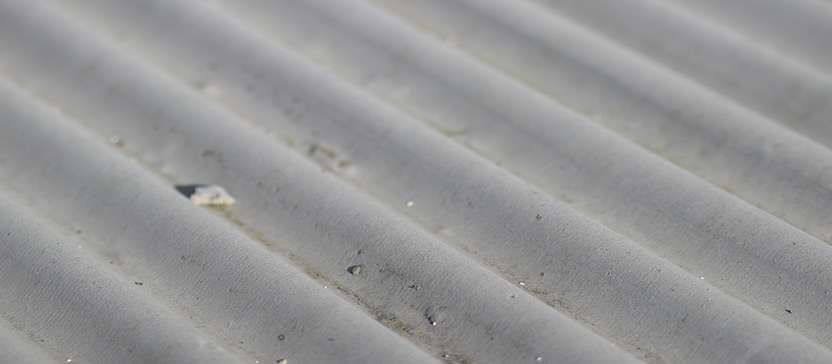
What is Fibre Cement Roof Sheeting?
Fibre cement roof sheeting is an increasingly popular choice for both commercial and residential buildings. It offers a number of advantages over traditional materials such as asphalt shingles or metal roofs.
For one, fibre cement is extremely durable and can withstand even the most severe weather conditions. It’s also fire-resistant and pest-free, making it an excellent choice for regions where these pests are a problem. Additionally, fibre cement is a very eco-friendly material, as it is made from a composite material made of cellulose fibres and cement.
Finally, fibre cement roofing is a very simple material to work with, which can save both time and money. Overall, fibre cement roof sheeting is a fantastic option for any building project.

How Long Does Cement Roofing Last?
When it comes to roofing materials, few options are quite as durable and reliable as cement. Known for its exceptional strength and weather resistance, cement roofing can last for decades, making it a popular choice for both commercial and residential buildings.
Cement roofs are typically thought to last for at least 50 years, although the length of time they survive is determined by a variety of circumstances, such as the thickness and quality of the material utilised. Furthermore, ensuring proper upkeep and repair may help cement roofs endure longer.
Overall, when installed and maintained properly, cement roofing offers unmatched durability and reliability in a wide range of conditions. So if you’re looking for long-lasting protection for your home or business, a cement roof is definitely worth considering.

The Fibre Cement Roof Installation Process
When installing a fibre cement roof, there are several key steps that must be followed in order to ensure a successful and long-lasting result. First, the substrate must be prepared by removing any old surface finish that may be present. Removal of any grease, oil, or other contaminants is also necessary.
Once the substrate is prepared and clean, it is time to spread the fibre cement over the surface, ensuring even distribution and ensuring that all joints are sealed completely.
Depending on the desired aesthetic, final surface finishing may also be required. A well-installed fibre cement roof can provide excellent protection against water and wind damage for years to come.
Whether you’re installing a new roof or renovating an old one, following these key steps will help ensure a top-quality product that will keep your home safe from the elements.

Contact a Professional
If you require any roofing advice then it is always best to consult a professional like Multiform Roofing who has the experience and expertise to help you with your roofing project.
Frequently Asked Questions About Fibre Cement Roof Sheets
Are fibre cement roof sheets suitable for garages and outbuildings?
Fibre cement roof sheets can be suitable for garages, workshops, sheds and other outbuildings where a durable pitched roofing material is required. Their resistance to moisture, changing temperatures and general weather exposure makes them practical for buildings that need reliable long-term protection. Suitability still depends on factors such as the roof pitch, supporting structure, sheet dimensions and intended use of the building. Correct detailing around ridges, verges and fixings is particularly important because these areas can become potential entry points for water when poorly installed. Assessing the complete roof structure before choosing the sheets helps avoid selecting a material that performs well in principle but is unsuitable for the particular building.
What should be considered when choosing fibre cement roof sheets?
The roof pitch, structural support, expected weather exposure, and dimensions of your property should all be considered before selecting fibre cement sheets. Sheet profile and thickness also need to be appropriate for the supporting framework and the loads the roof is expected to experience. Fixings, overlaps and sealing details are equally important because the performance of the finished roof depends on more than the sheets themselves. Existing buildings may require closer inspection to determine whether the supporting structure is in suitable condition before a new covering is installed. Looking at these factors together provides a more reliable basis for choosing a roofing system that can perform effectively over the long term.
What signs can indicate that fibre cement roof sheets need attention?
Cracking, damaged edges, loose fixings and signs of water ingress can indicate that fibre cement roofing requires professional assessment. Small defects do not necessarily mean that the entire roof needs replacing, particularly when the problem is confined to one section. However, repeated leaks or deterioration across several sheets can suggest that the roof covering or its fixings are reaching the point where more extensive work should be considered. The condition of ridges, overlaps and supporting components should also be checked because problems in these areas may affect otherwise sound sheets. Assessing your roof as a complete system helps determine whether a targeted repair is appropriate or whether replacement would provide better long-term value.